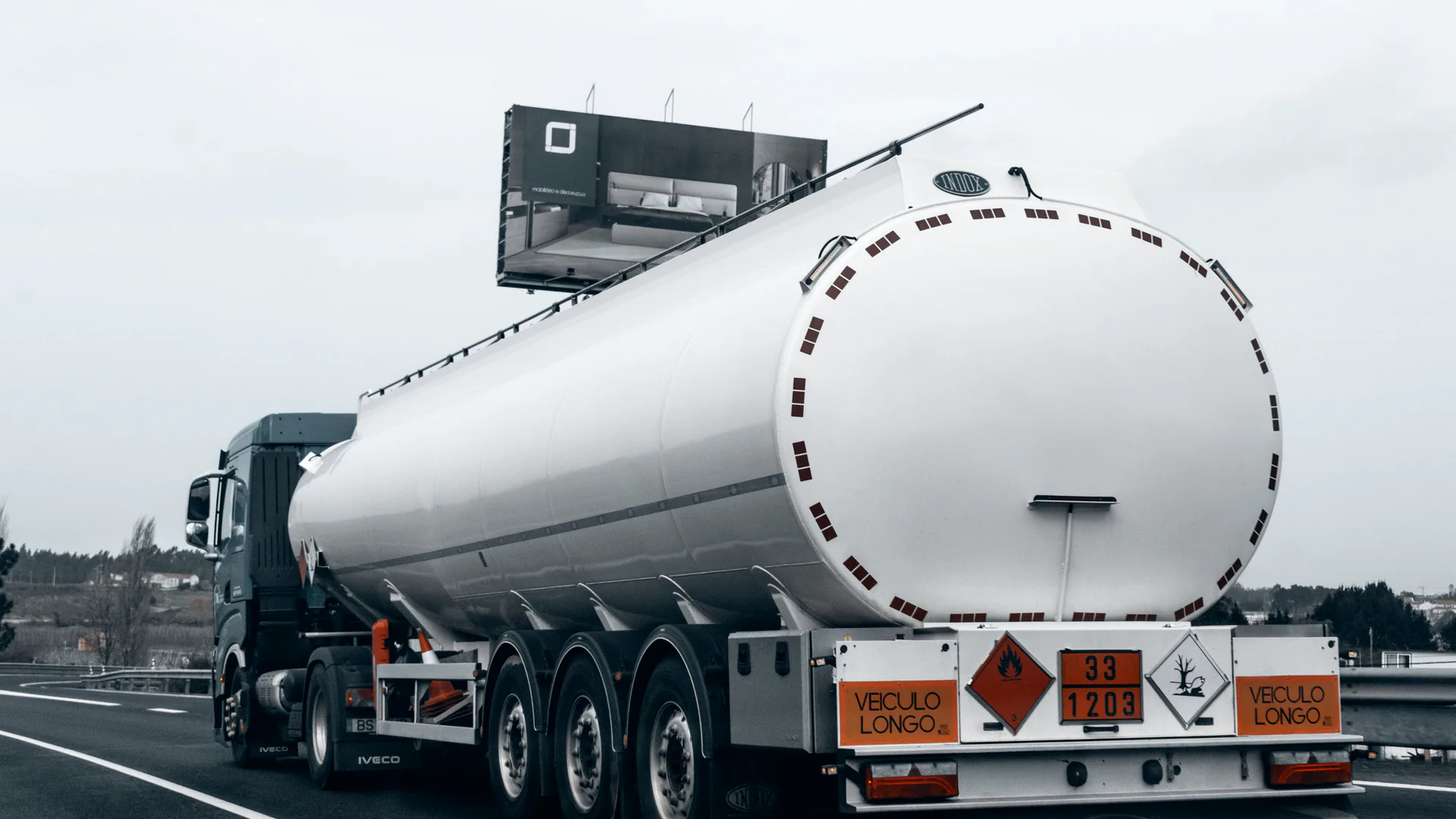
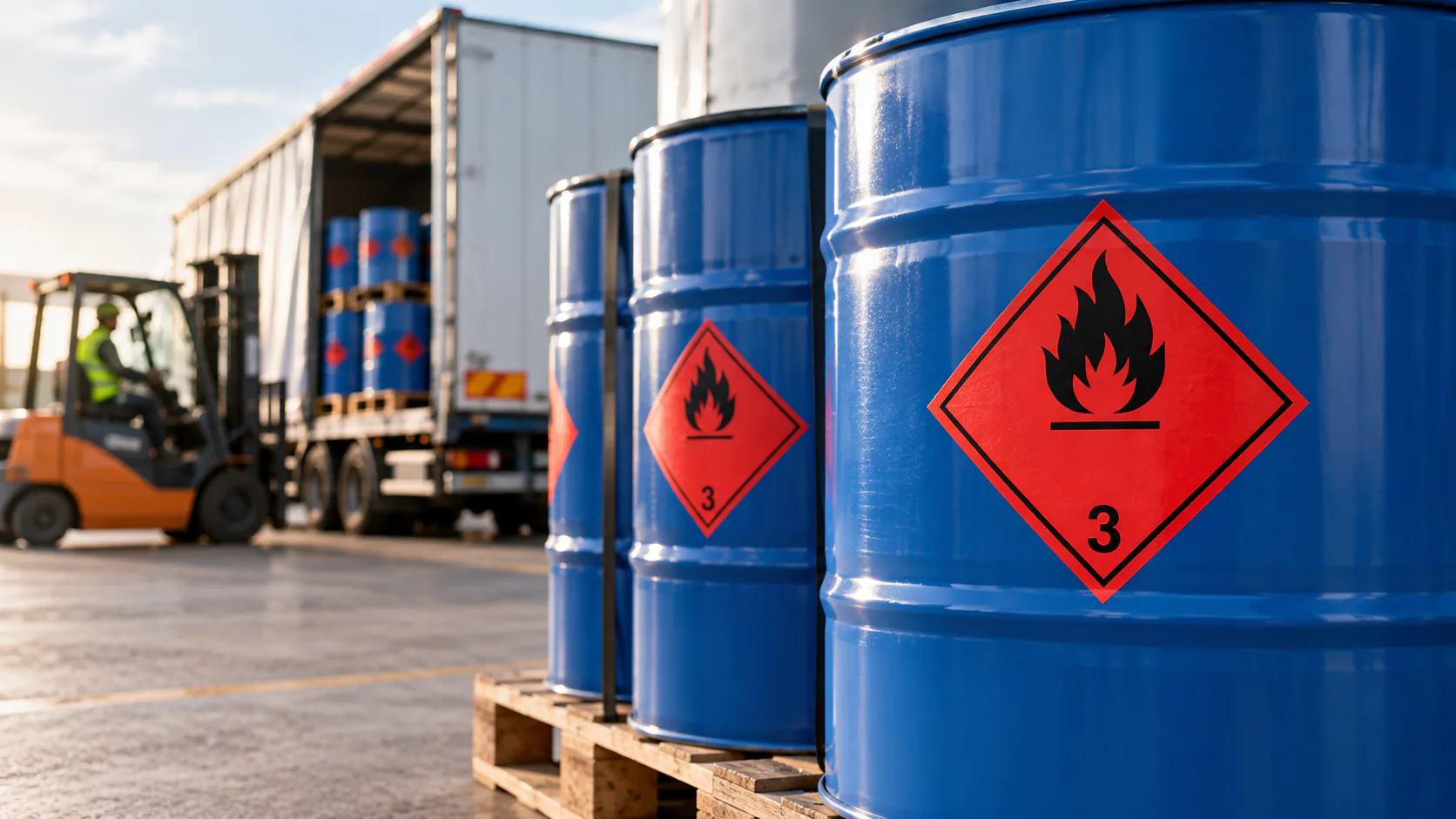
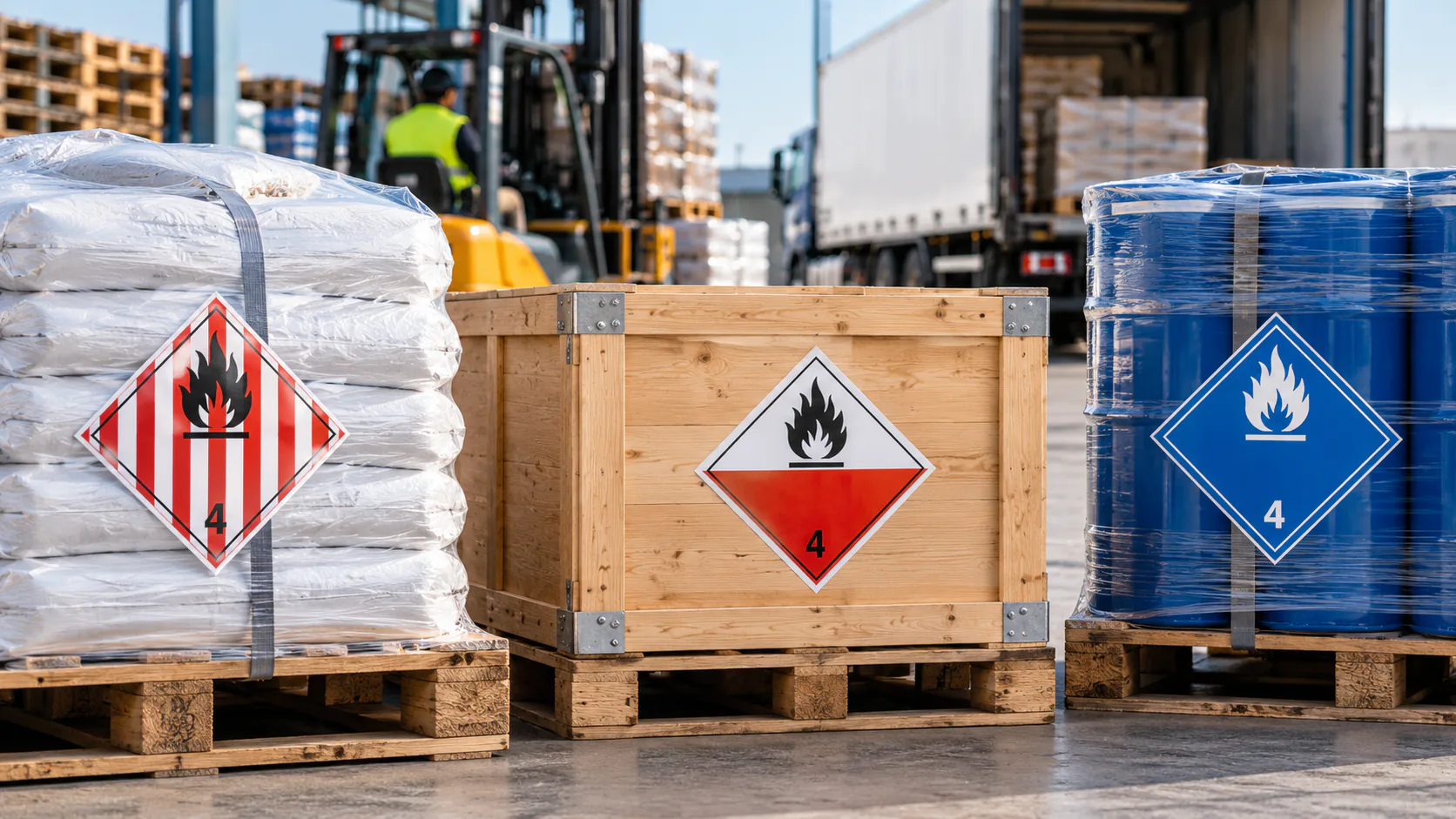
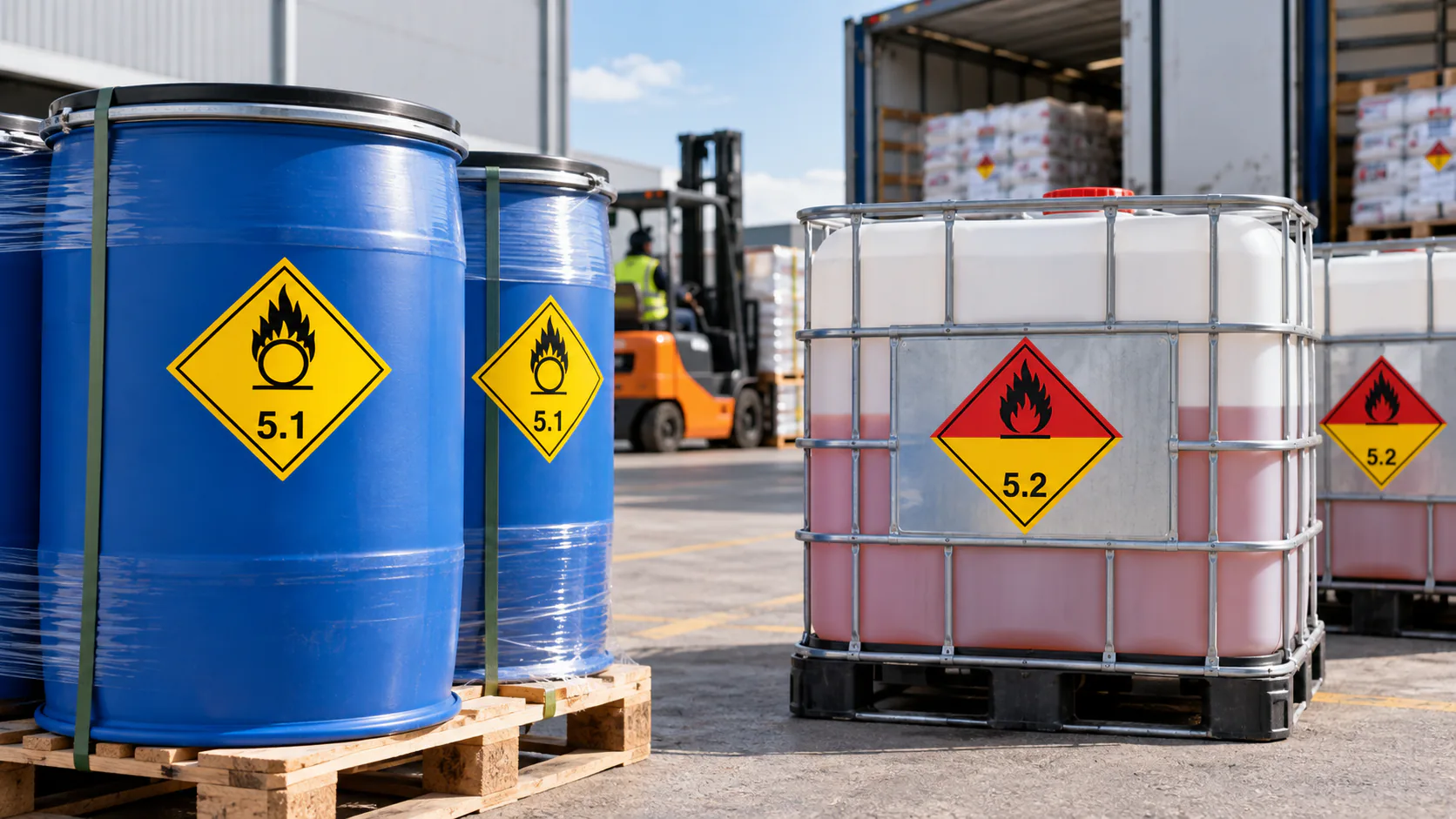
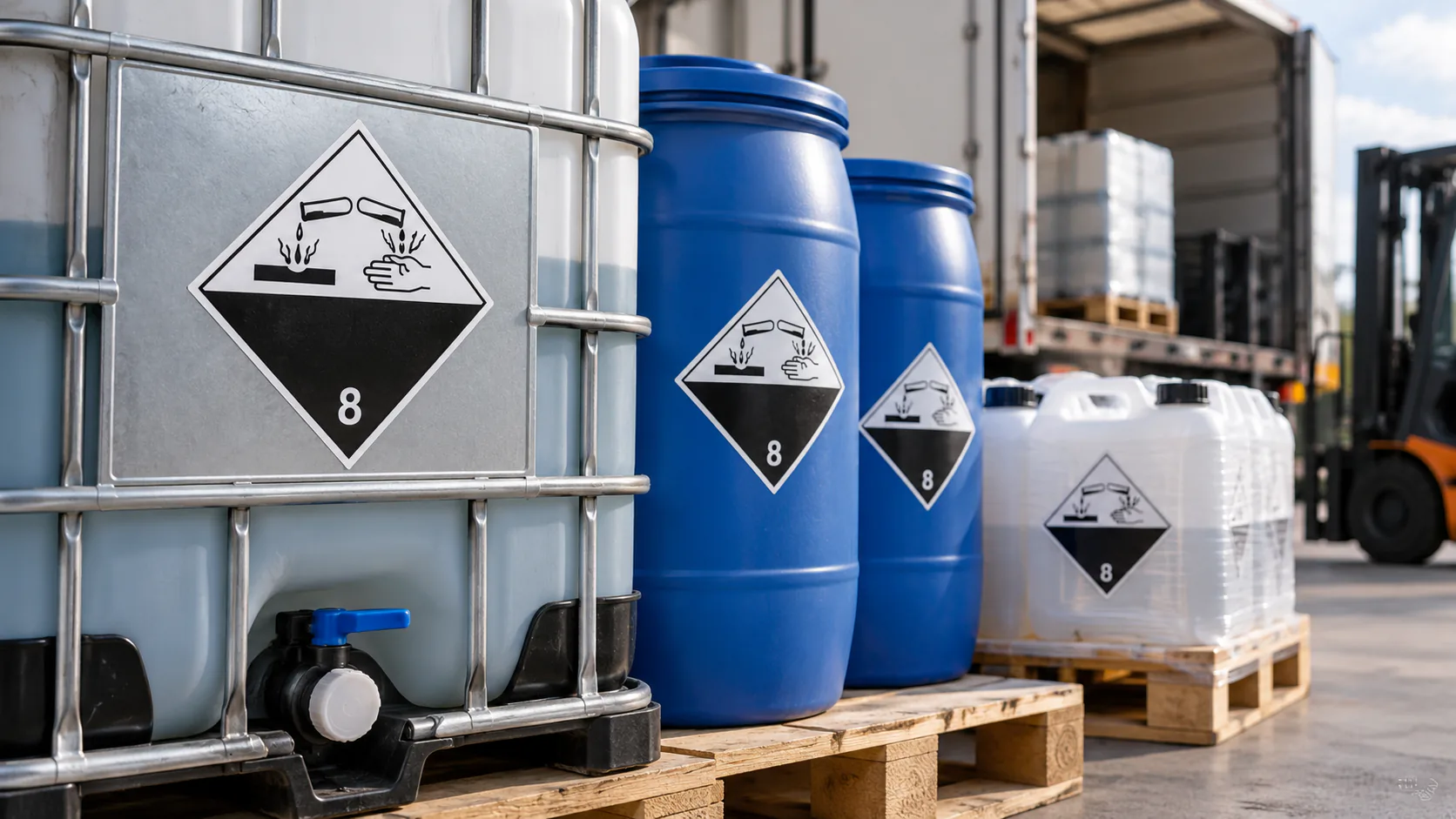
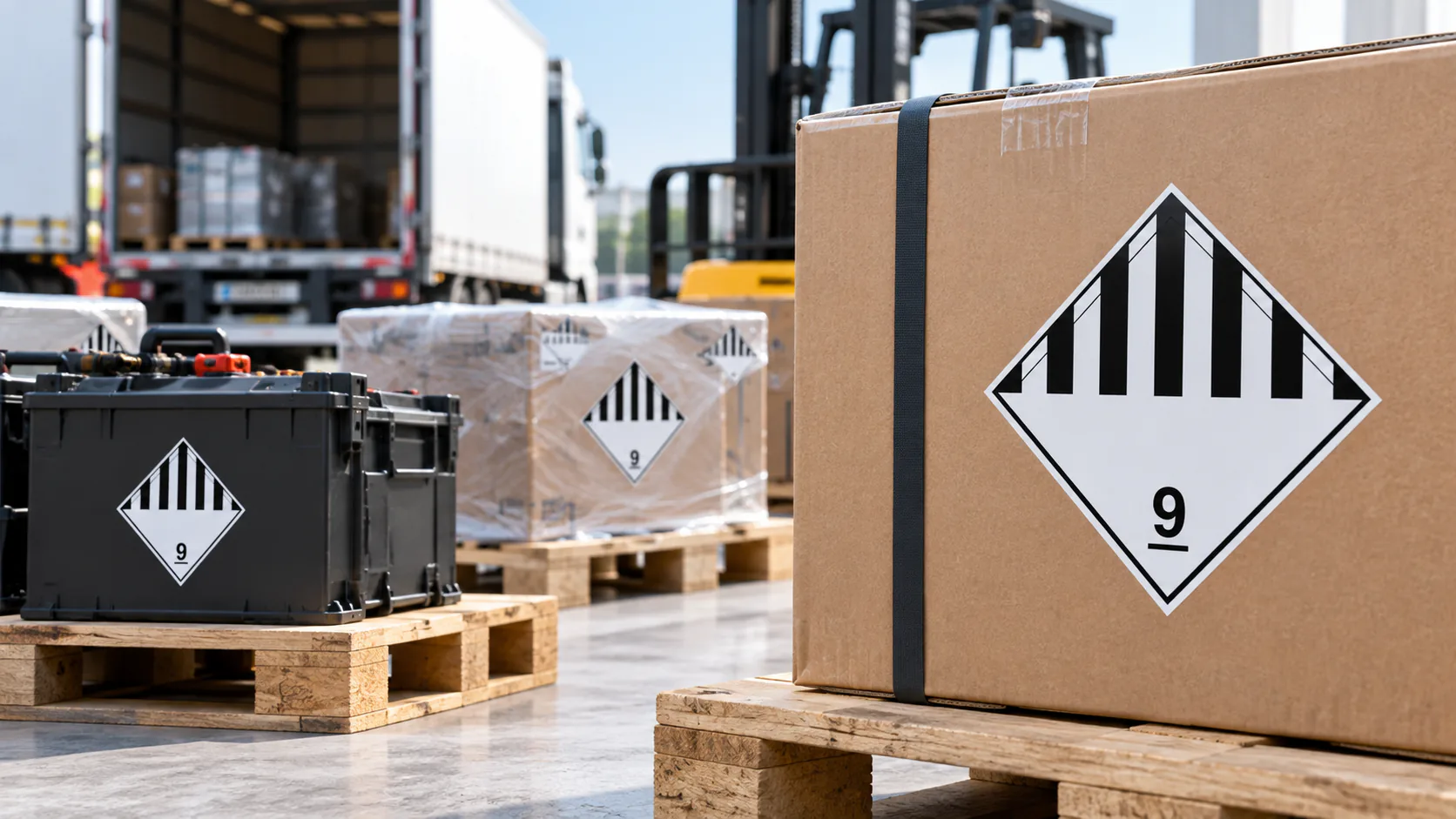
ADR dangerous goods transport covers the carriage by road of goods that may present a risk to people, property, infrastructure or the environment. They cannot be handled like ordinary freight because their nature requires a more rigorous assessment before any transport is organised.
ADR is the reference framework for the international carriage of dangerous goods by road. It identifies the conditions under which goods may be carried according to their classification, hazards, packaging, quantities, available documents and shipment obligations. The first step is therefore to establish whether transport is possible and under which conditions.
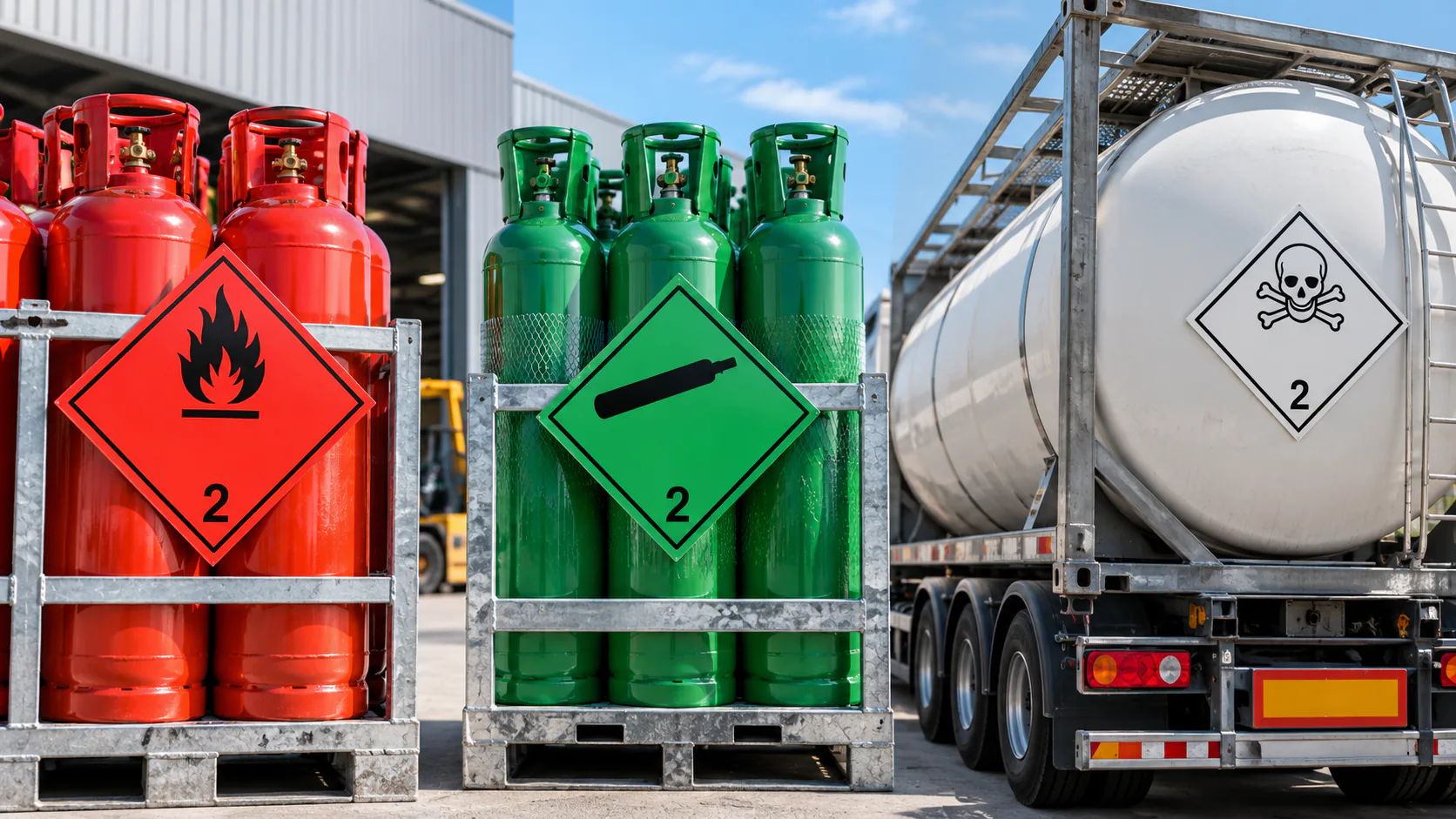
Dangerous goods can include chemicals, flammable liquids, gases, aerosols, paints, solvents, batteries, corrosive or toxic substances, oxidising products and other regulated goods. Precise identification is essential because visually similar goods may have very different requirements depending on composition, packaging or classification.
A request should provide the exact product, UN number where known, ADR class, packing group, quantity, weight, volume, type of packaging, number of packages or pallets, safety data sheet, transport documents, collection and delivery addresses, required dates and any site constraints.
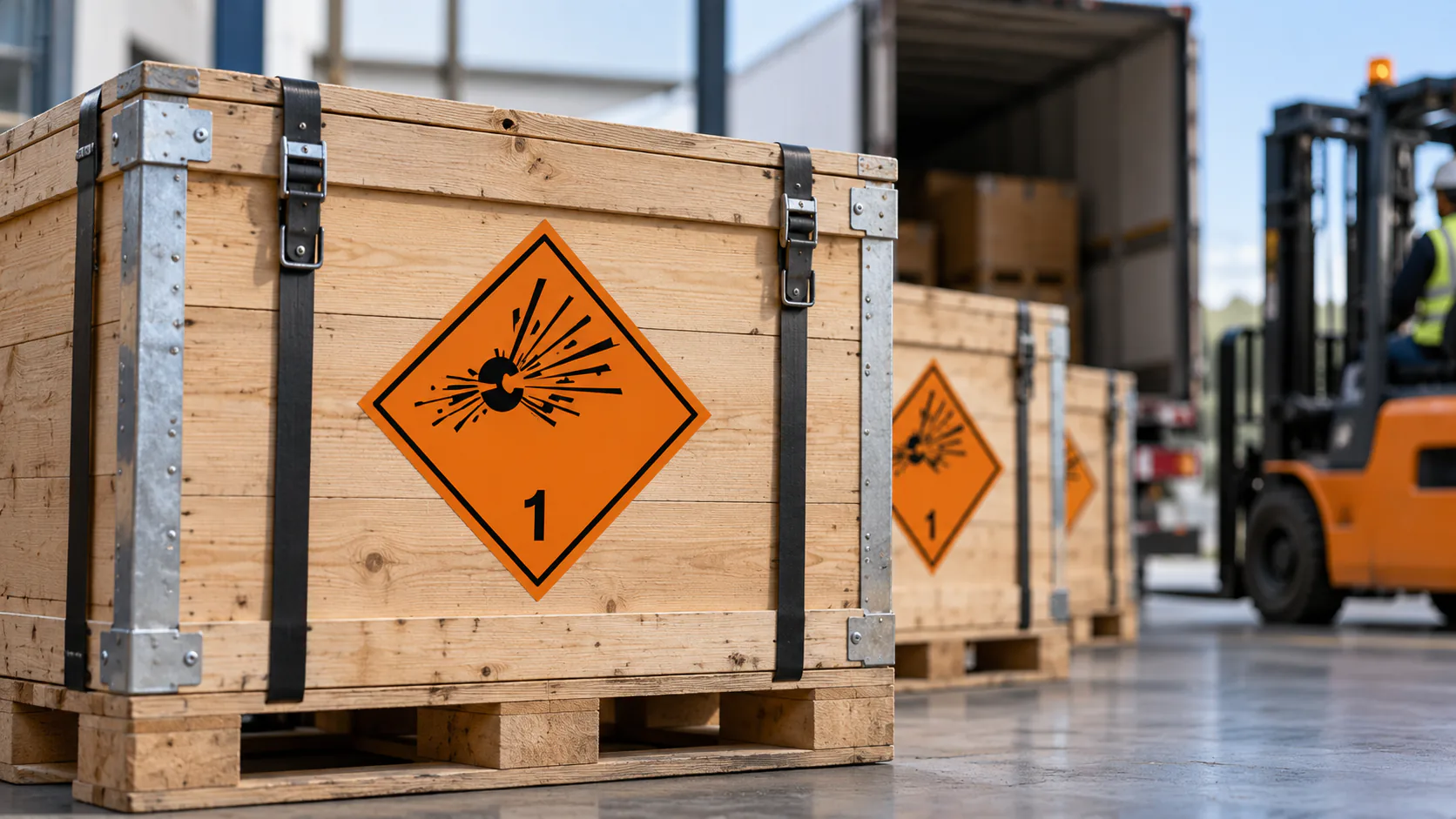
Packaging is central to ADR transport. The goods must be prepared, packed, identified and presented in a manner suited to their nature. Incomplete information, unsuitable packaging or missing documents may lead to refusal or require further assessment before acceptance.
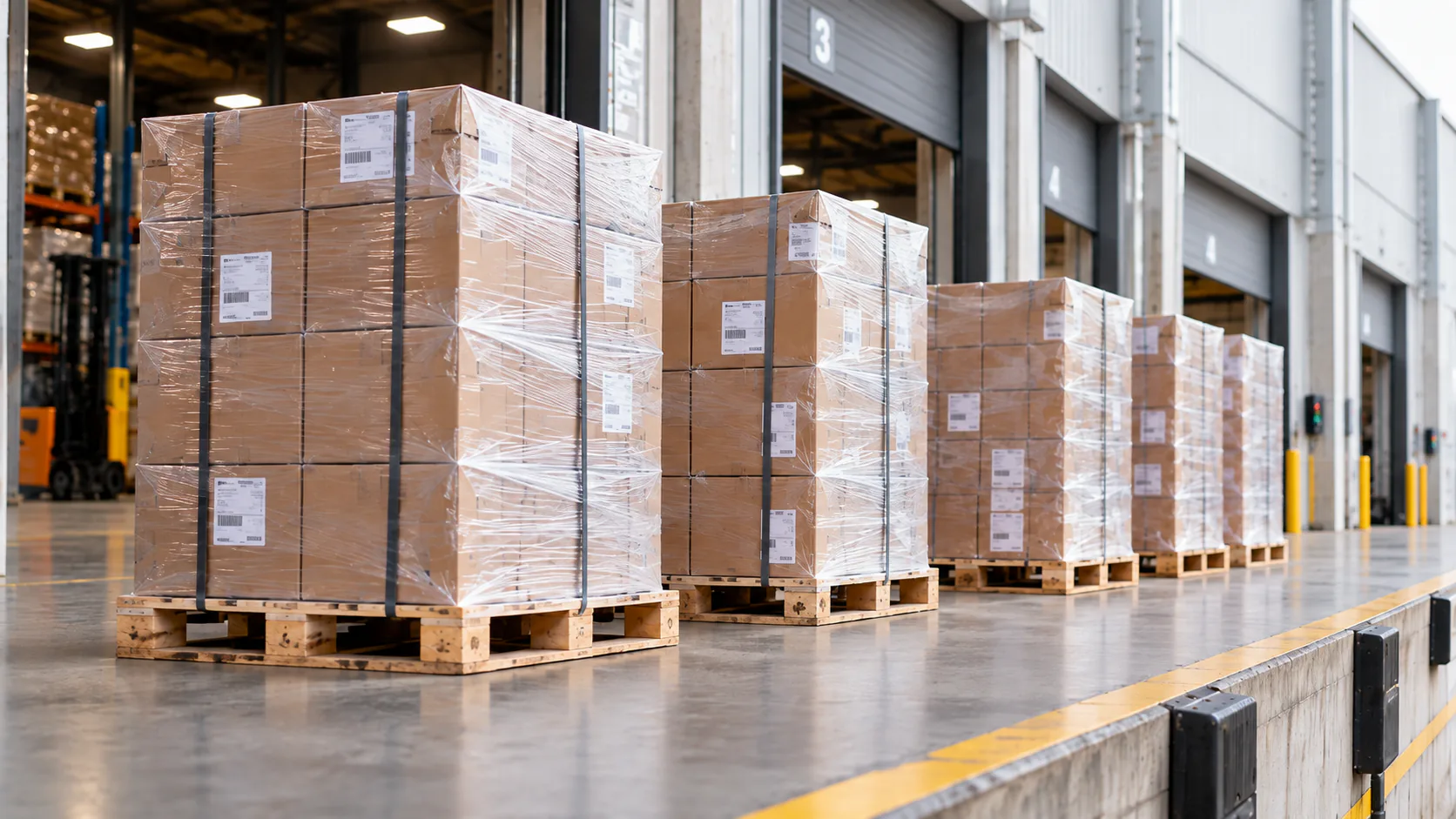
Loading and delivery conditions must also be checked: site access, schedules, local contacts, safety instructions, handling equipment, documents to be handed over and any traffic restrictions all affect the proposed organisation.
Every ADR request is reviewed case by case. Some goods may be accepted subject to conditions, while others require a specific organisation, additional information or may be refused because of their nature, quantity, destination or applicable restrictions.
ADR transport is therefore a regulated, technical service based on reliable information, correct identification, a feasibility review and coordination between the consignor, carrier and loading and delivery sites.