Import
Prepare arrival and customs clearance
Coordination of commercial documents, customs information, origin and value data, import formalities, any applicable duties and taxes, and release before delivery.
International formalities
Drivet Transport International supports customers with the customs coordination associated with international transport. We organise the exchange of information and documents with customs representatives and specialist partners to help import, export and transit movements progress smoothly.
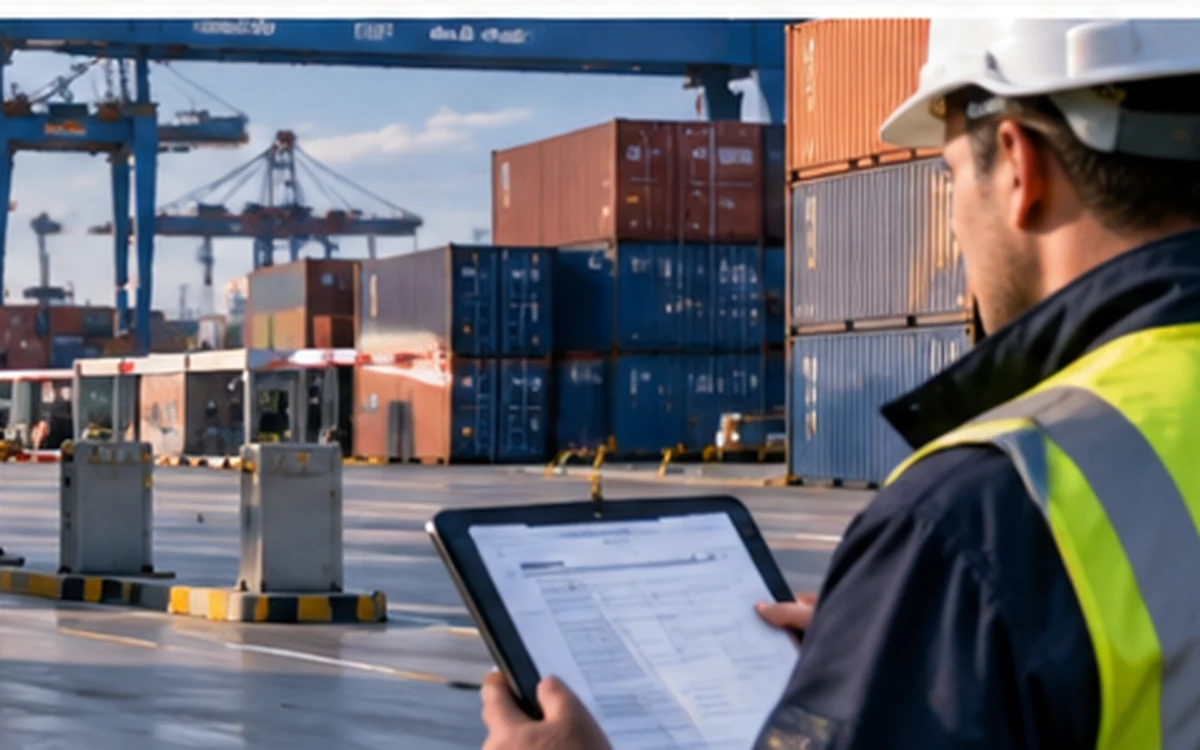
Import · export · transit customs coordination
An international shipment does not stop with transport. At import and export, the goods must be supported by the information, documents and customs formalities appropriate to the country, customs procedure, origin, value and tariff classification involved.
Drivet Transport International coordinates the customs flow alongside the transport operation so that customers do not have to manage multiple contacts. We centralise the commercial invoice, packing list, EORI number, origin, value, tariff classification and other required data, coordinate formalities with the authorised professionals, follow customs clearance and release, and organise onward transport through to final delivery.
This coordination can be integrated into sea freight, air freight, rail freight or road transport. The aim is to keep transport and customs within one clear operating plan, with consistent follow-up from collection through to delivery.
Import
Coordination of commercial documents, customs information, origin and value data, import formalities, any applicable duties and taxes, and release before delivery.
Export
Preparation of the information required for export clearance, coordination with the transport schedule and follow-up until the goods are released for departure.
Transit
Where goods travel under customs control before final clearance, we coordinate transport and the applicable transit operations, including movements involving several countries or terminals.
Follow-up
One operational contact centralises exchanges, follows the progress of the customs file and coordinates onward transport once release is obtained.
International trade · Incoterms® 2020
The Incoterms® 2020 rules, published by the International Chamber of Commerce, comprise eleven trade terms used in sales contracts to clarify the allocation of tasks, costs and risks between seller and buyer when goods are delivered.
They directly affect import-export transport planning: who books the main carriage, where risk transfers, who arranges insurance where applicable, and which party is responsible for export or import customs formalities. They do not determine transfer of ownership or the payment terms of the sales contract.
Any mode of transport
EXW, FCA, CPT, CIP, DAP, DPU and DDP can be used regardless of the selected transport mode, including combinations of road, rail, air and sea.
EXW
The seller makes the goods available at its premises. The buyer takes on most of the transport organisation and formalities.
FCA
The seller delivers the goods to the carrier at the named place and completes export formalities. It is widely used for containerised flows.
DAP
The seller arranges carriage to the named place, ready for unloading. The buyer handles import formalities and duties.
DDP
The seller takes on the highest level of obligation through to the named destination, including import clearance and applicable duties and taxes.
Sea & inland waterways
FAS, FOB, CFR and CIF are intended only for sea or inland-waterway transport where delivery is structured around the vessel and the named port.
FAS
Goods are delivered alongside the vessel at the port of shipment; the seller completes export clearance.
FOB
The seller delivers the goods on board the vessel at the port of shipment and completes export formalities.
CFR
The seller pays the sea freight to the destination port, while risk transfers once the goods are on board at origin.
CIF
As with CFR, the seller pays carriage to the destination port and also provides the minimum cargo insurance required by the rule.
The selected Incoterm helps identify who is expected to organise export and import formalities and which costs are included in the commercial operation. Drivet Transport International takes the Incoterm supplied by the customer into account when coordinating transport and customs flows in line with the responsibilities set out in the sales contract.
Drivet Transport International
Goods moving between the European Union and third countries generally require import or export customs formalities. The exact procedure depends on the origin, destination, goods and the transaction involved.
Drivet Transport International coordinates customs operations with the customs representatives and specialist partners required for the shipment. We connect the customer, transport operation and competent customs specialists without replacing the authorised declarant or customs authorities.
An EORI number identifies economic operators in their dealings with customs authorities for import and export operations outside the European Union. It should be supplied whenever the customs procedure requires it.
Important information includes the importer or exporter, nature of the goods, origin, customs value, tariff classification, commercial documents and the applicable customs procedure. Additional documents may be required depending on the product.
These data help determine the customs treatment of the goods, duties and taxes that may apply and any trade-policy measures. They therefore need to be established accurately using the available product and commercial information.
Commercial invoices and packing lists are commonly required, together with origin evidence, licences, certificates, transport documents or other supporting papers depending on the goods and destination. The declarant must be able to present the required evidence if customs request it.
Yes. Customs can be integrated into a wider transport plan involving sea, air, rail or road freight. The aim is to synchronise documentation, declarations, arrivals and departures so that unnecessary delays are minimised.
Depending on the organisation and partners involved, we can provide operational follow-up and coordinate the exchanges required through to customs release, after which the transport can continue to final destination.
Related services
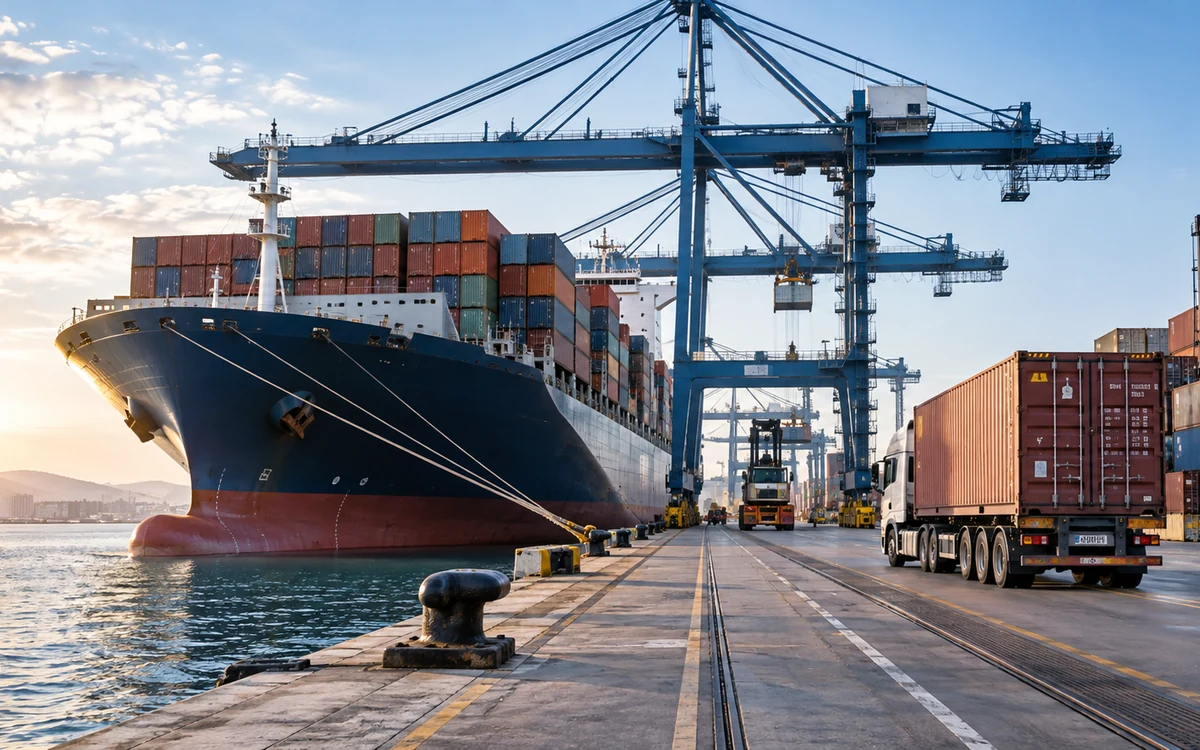
International · Sea
International sea freight in FCL, LCL and door-to-door configurations, including coordination of pre-carriage, on-carriage and associated customs formalities.
Learn more →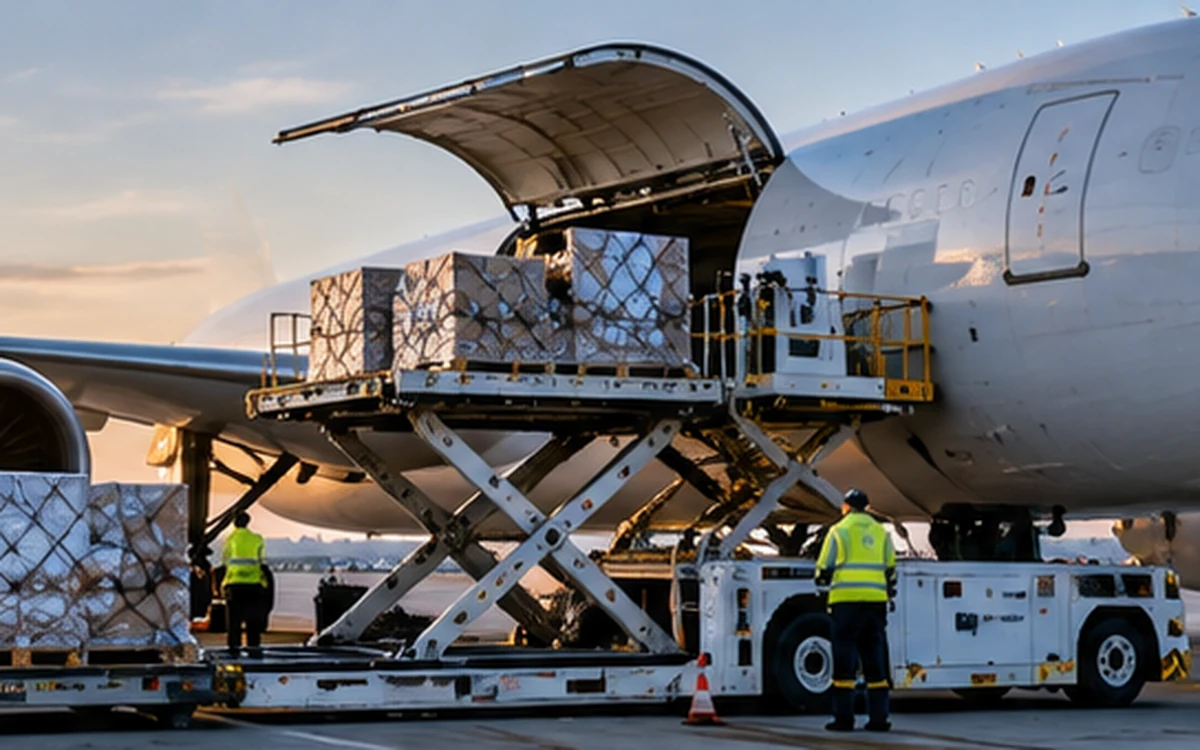
International · Air
International air freight for urgent, sensitive or high-value shipments, with coordination from collection through to final delivery.
Learn more →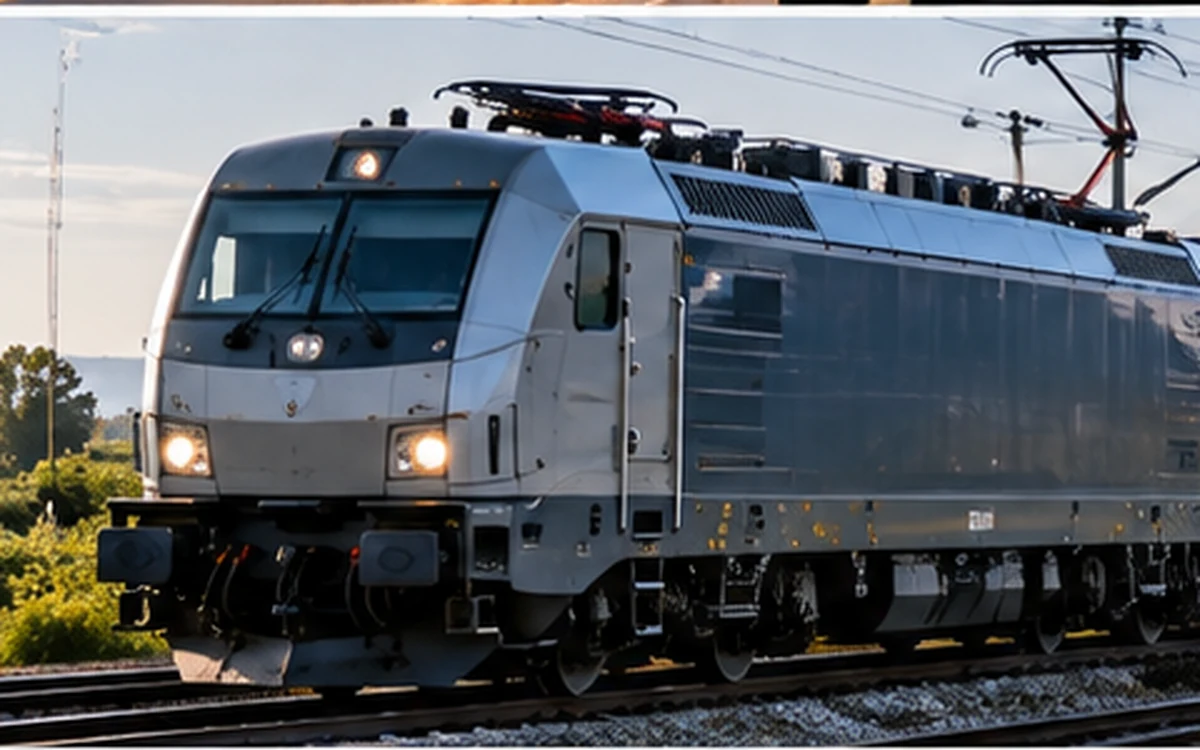
International · Rail
Rail and intermodal freight solutions for containers, swap bodies and industrial cargo, combining road and rail where appropriate.
Learn more →Transport request
Would you like to organise a customs import-export request? Send us the relevant information so that we can review the solution best suited to your requirements.