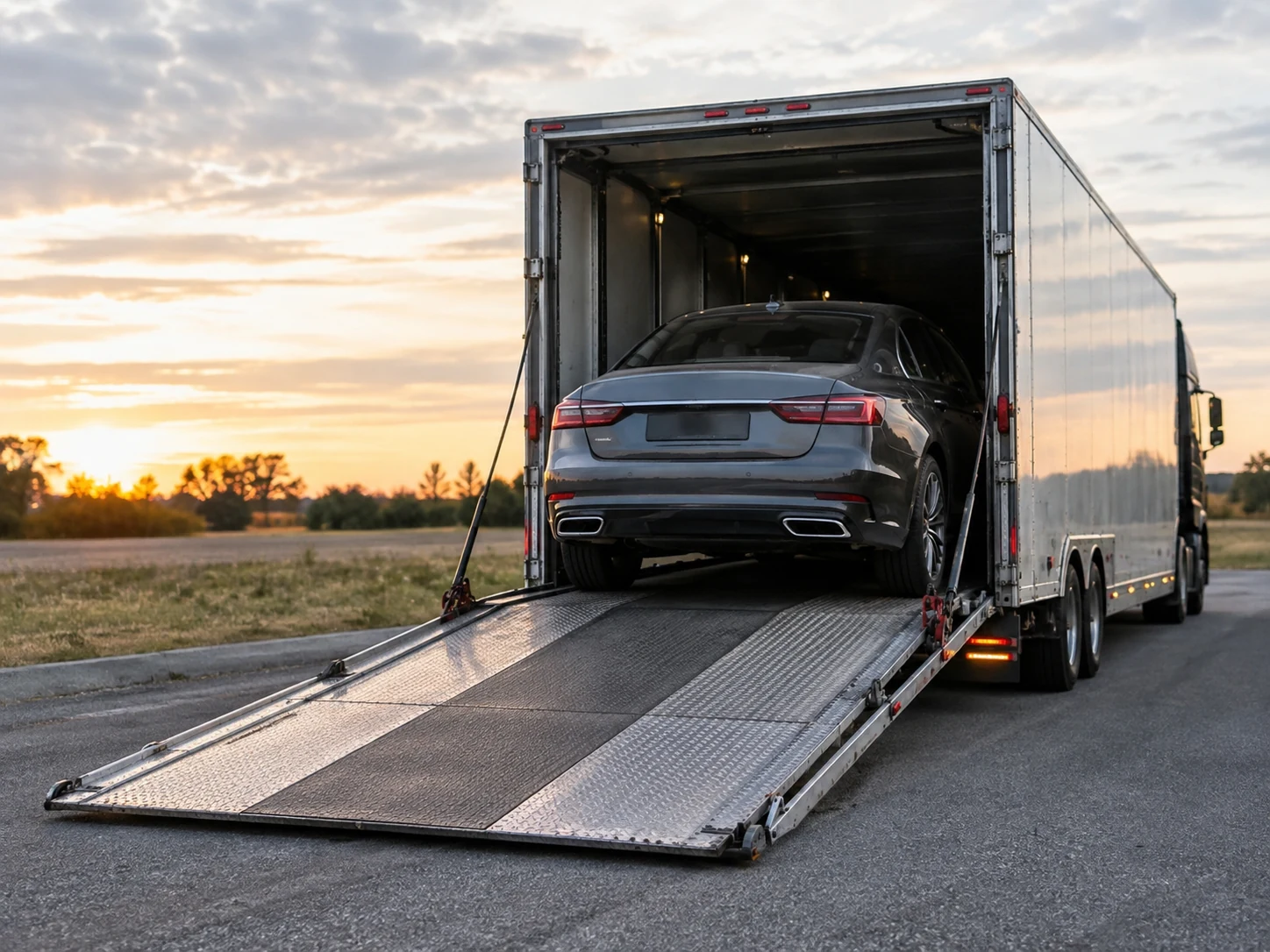
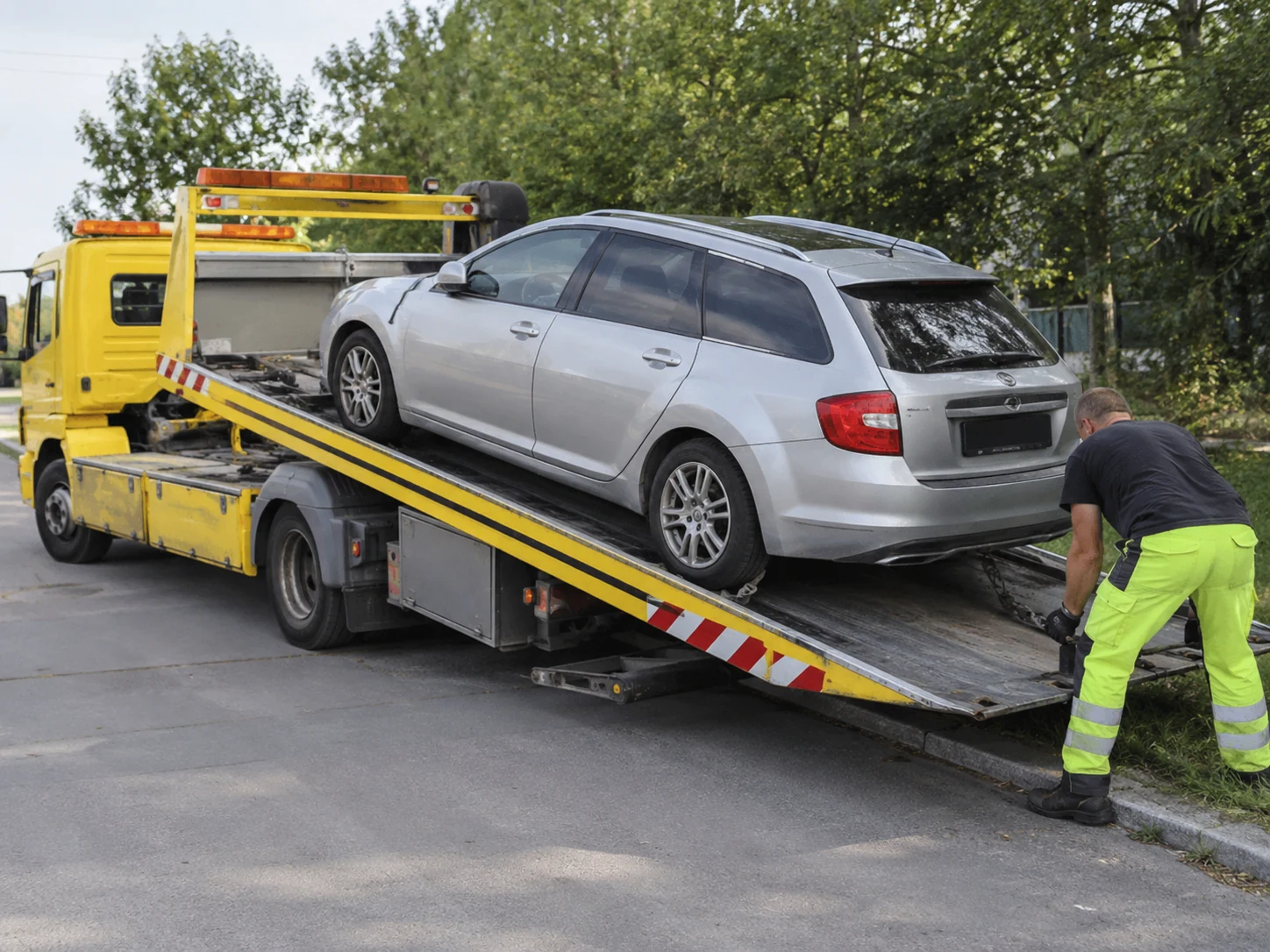
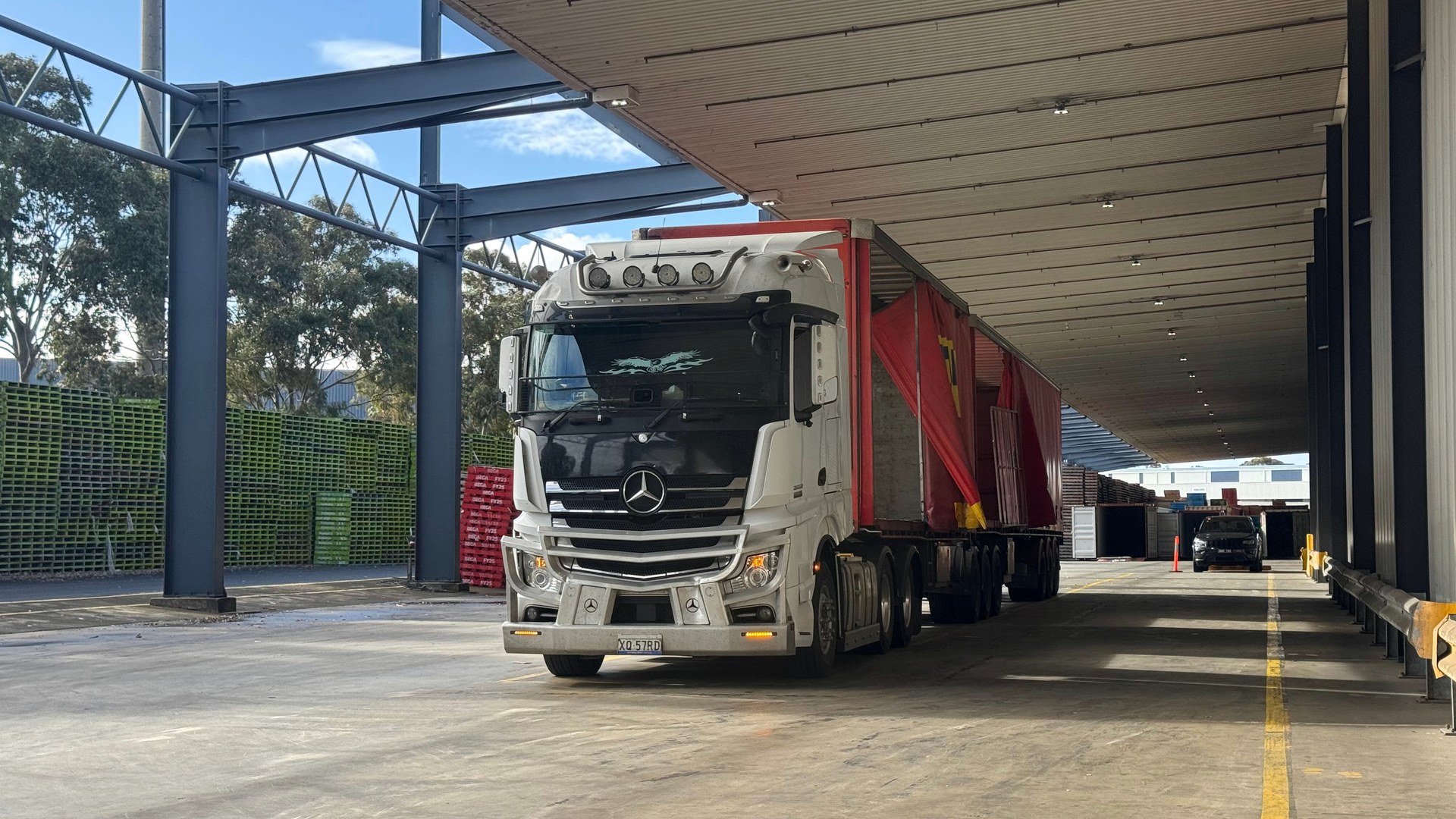
Vehicle transport consists of moving a car, van, commercial vehicle or specialist vehicle from a collection point to a delivery location. It can meet a range of needs: buying or selling a vehicle, transferring it between sites, delivering it to a customer, moving a company vehicle, repatriation or arranging transport for either a business or private request.
Unlike ordinary freight, vehicle transport requires particular attention to the vehicle’s condition, dimensions, weight, value, roadworthiness and collection requirements. A running, non-running, damaged, low, high, long, commercial or specialist vehicle cannot always be handled in the same way. These factors determine the most suitable solution and the feasibility of the movement.
The operation also depends on precise information about the collection and delivery locations. Access must be checked to ensure that the vehicle can be loaded and unloaded safely: street width, parking space, availability of the local contact, operating hours and constraints at a residence, business site, dealership, garage, depot or private area. Clear information makes the collection more effective to prepare.
Vehicle transport serves both businesses and private customers. A company may need to transfer a fleet, move a van, deliver a vehicle that has been sold or purchased, or arrange a movement between branches. A private customer may need a remotely purchased vehicle delivered, an after-sale delivery, a move between regions or another situation requiring a suitable transport solution.
Before any operation, the essential information must be provided: make, model, dimensions, running condition, availability of keys and documents, collection and delivery addresses, local contacts, required dates and any specific constraints. These details allow a realistic solution to be assessed, unnecessary handling to be limited and the vehicle’s movement to be secured from collection through to handover.