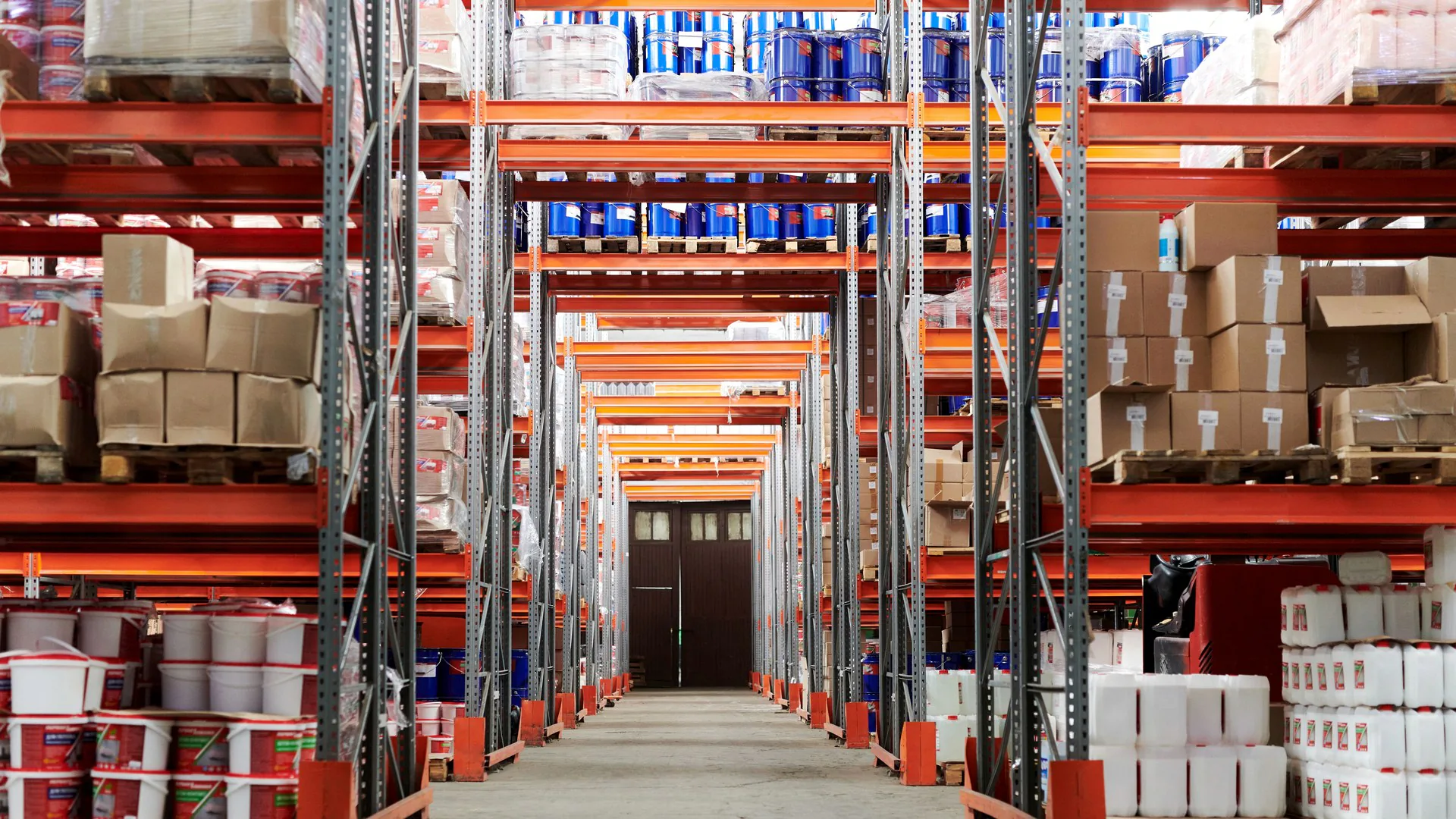
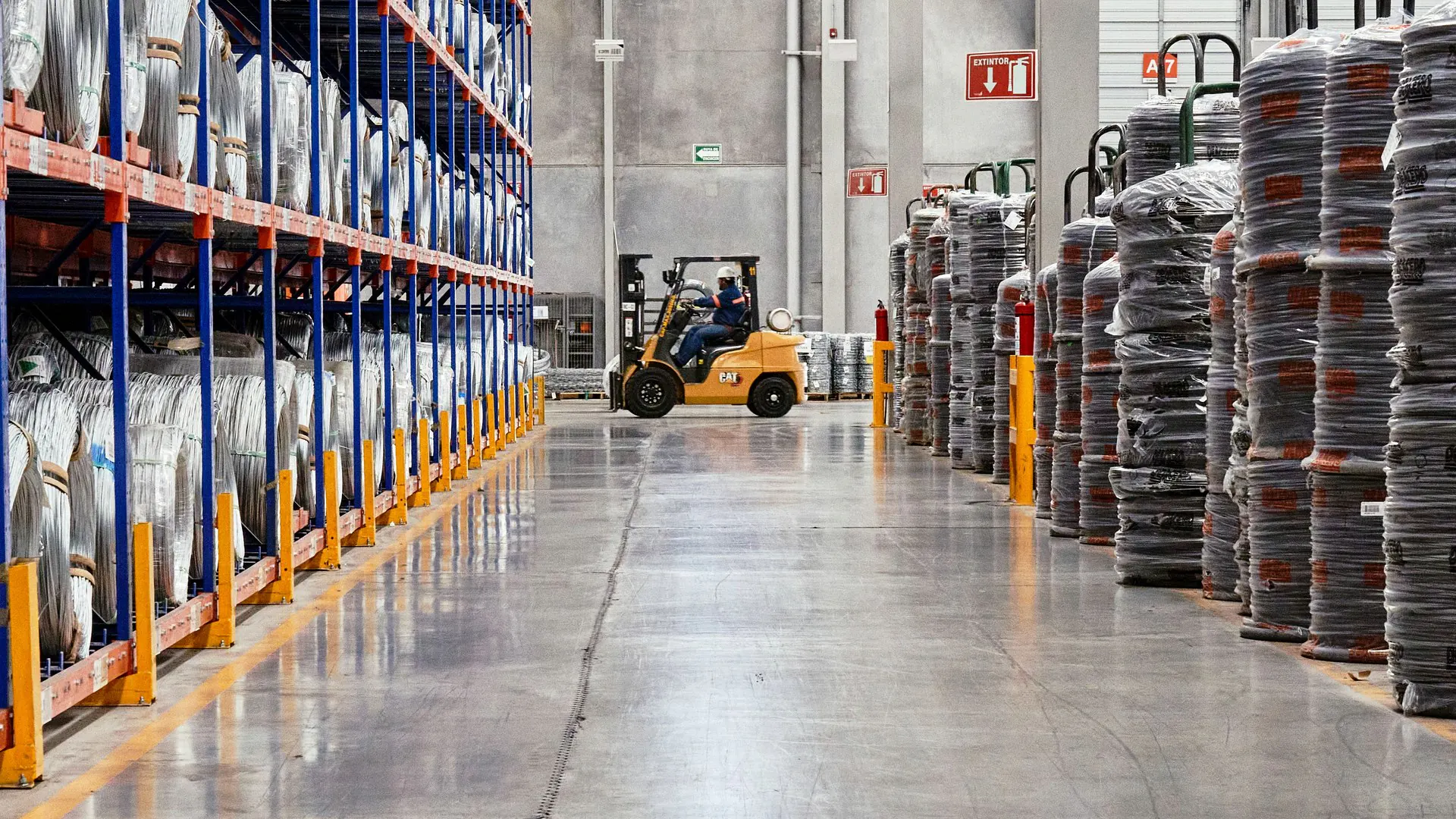
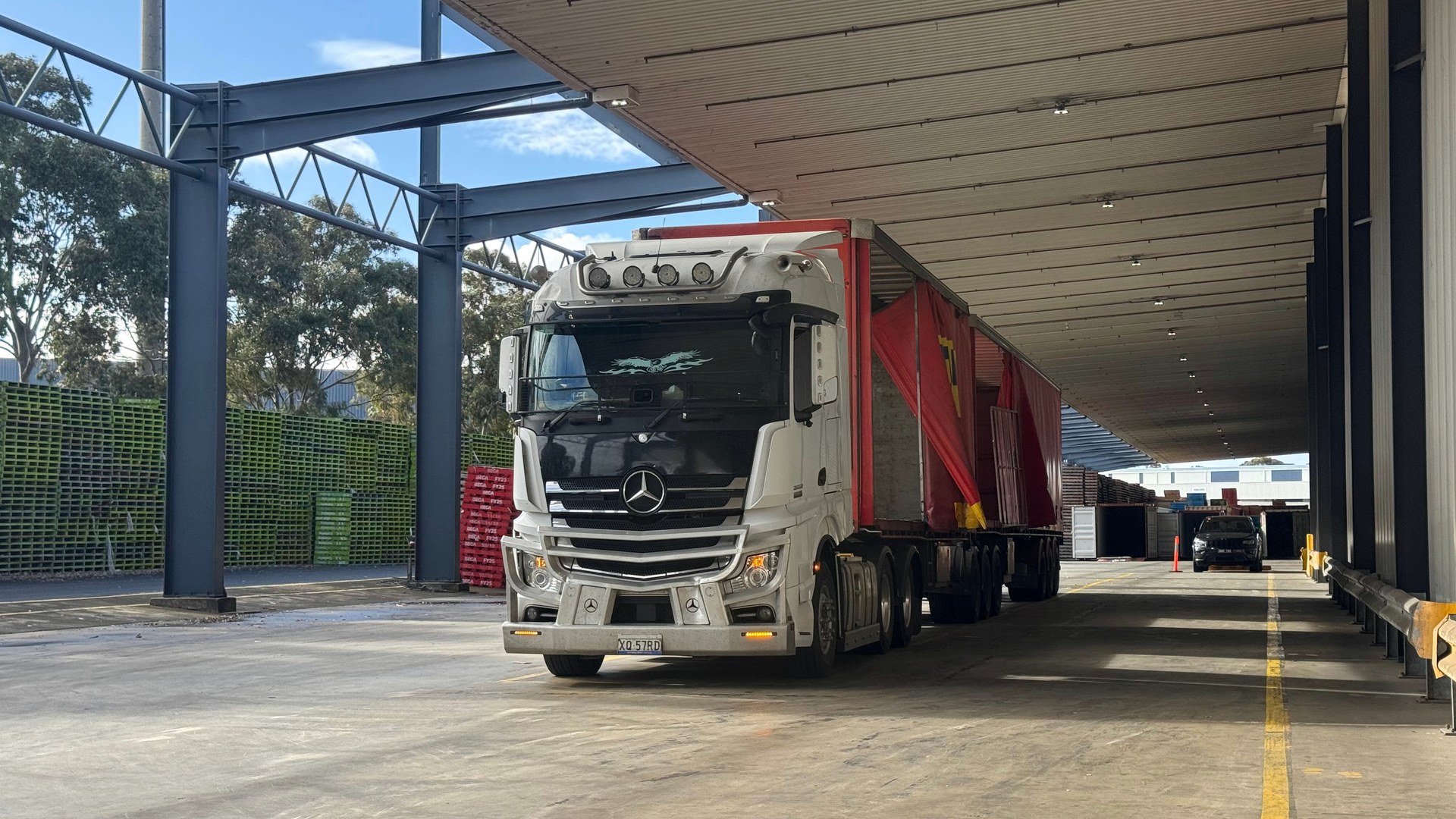
Logistics warehousing provides a solution for holding goods temporarily or regularly before dispatch, consolidation, preparation or final delivery. It supports businesses that need to manage pallets, parcels, packed products or goods awaiting collection without permanently using their own internal space.
It can meet many requirements: one-off storage after goods are received, waiting before customer delivery, absorbing a peak in activity, consolidating several shipments, preparing a later transport movement or organising a regular flow. Warehousing provides operational support when schedules, delivery locations or transport constraints prevent immediate dispatch.
A warehousing request is reviewed using key information: type of goods, number of pallets or parcels, dimensions, weight, packaging, required duration, frequency of inbound and outbound movements, handling constraints, preparation requirements, accessibility and any associated transport organisation. These details determine the space, handling conditions and feasibility.
Logistics warehousing is often linked to transport. It can support route preparation, goods consolidation, holding before freight forwarding, deferred delivery or a groupage distribution flow. Integrating storage into the wider organisation gives the business greater flexibility and aligns dispatches with real constraints.
Good warehousing requires visibility. Volumes, retention periods, inbound and outbound conditions, operational contacts, documents and collection requirements must be known. The more accurate the information from the outset, the more coherent, workable and suitable the proposed solution can be.