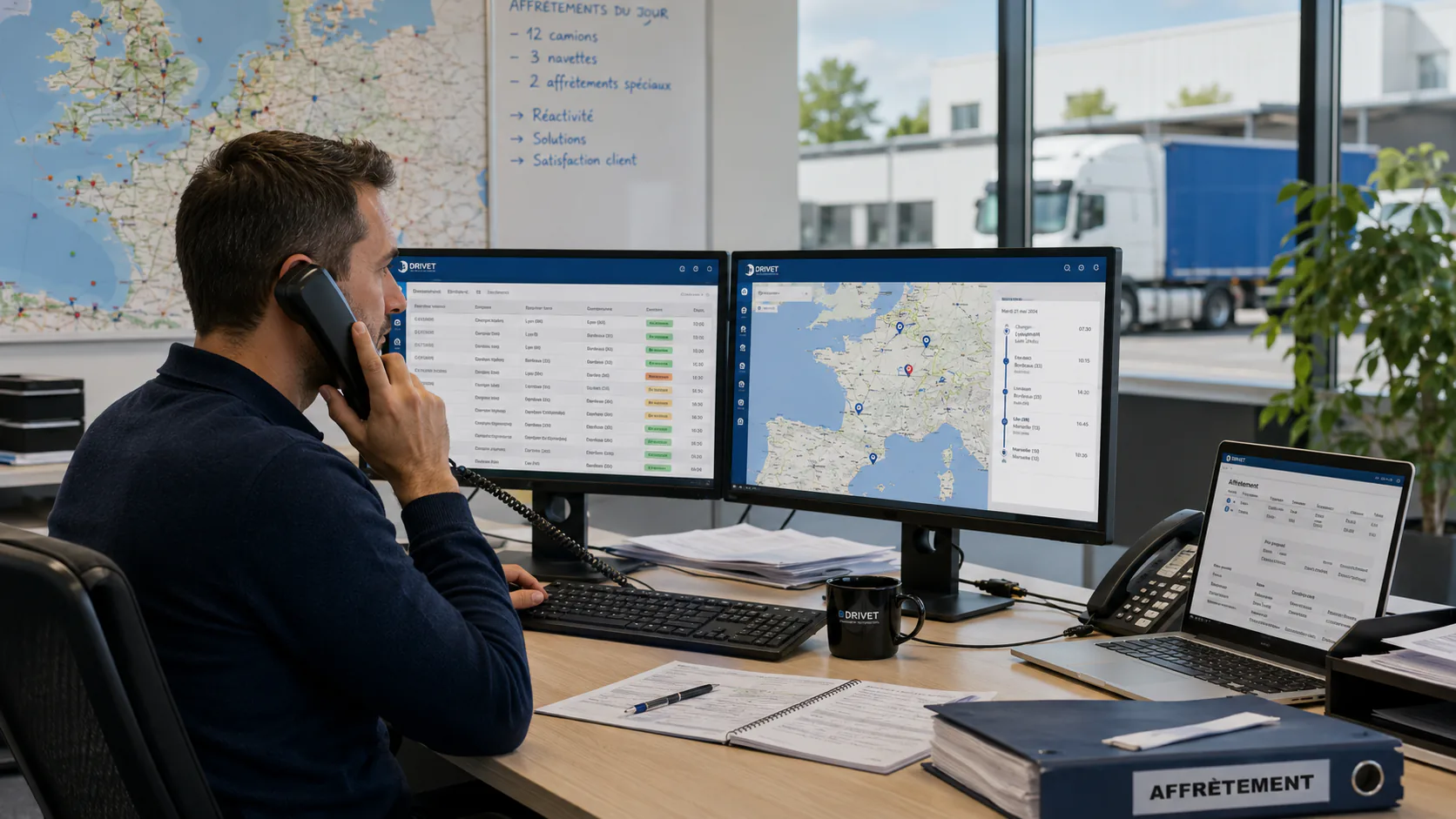
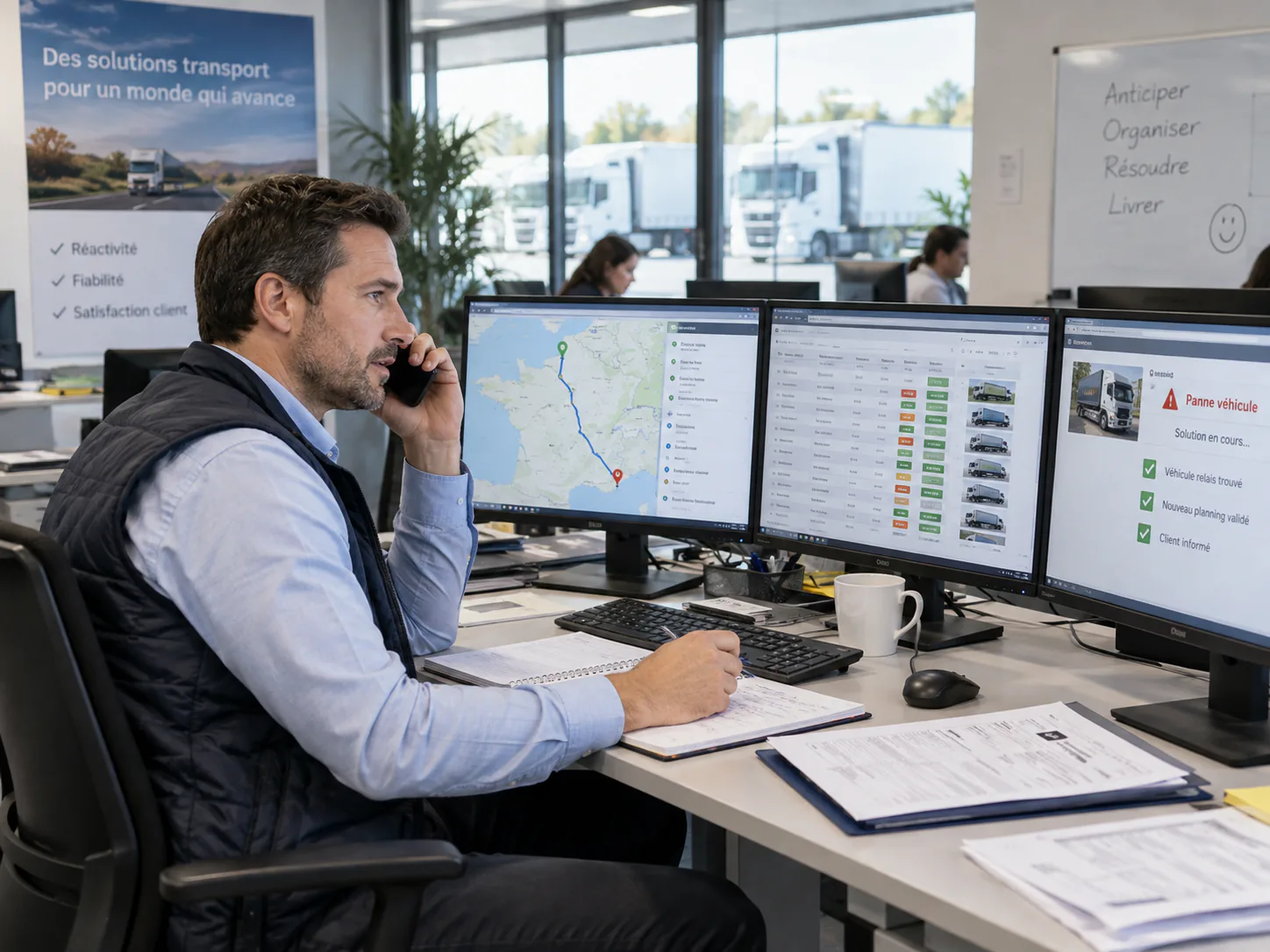
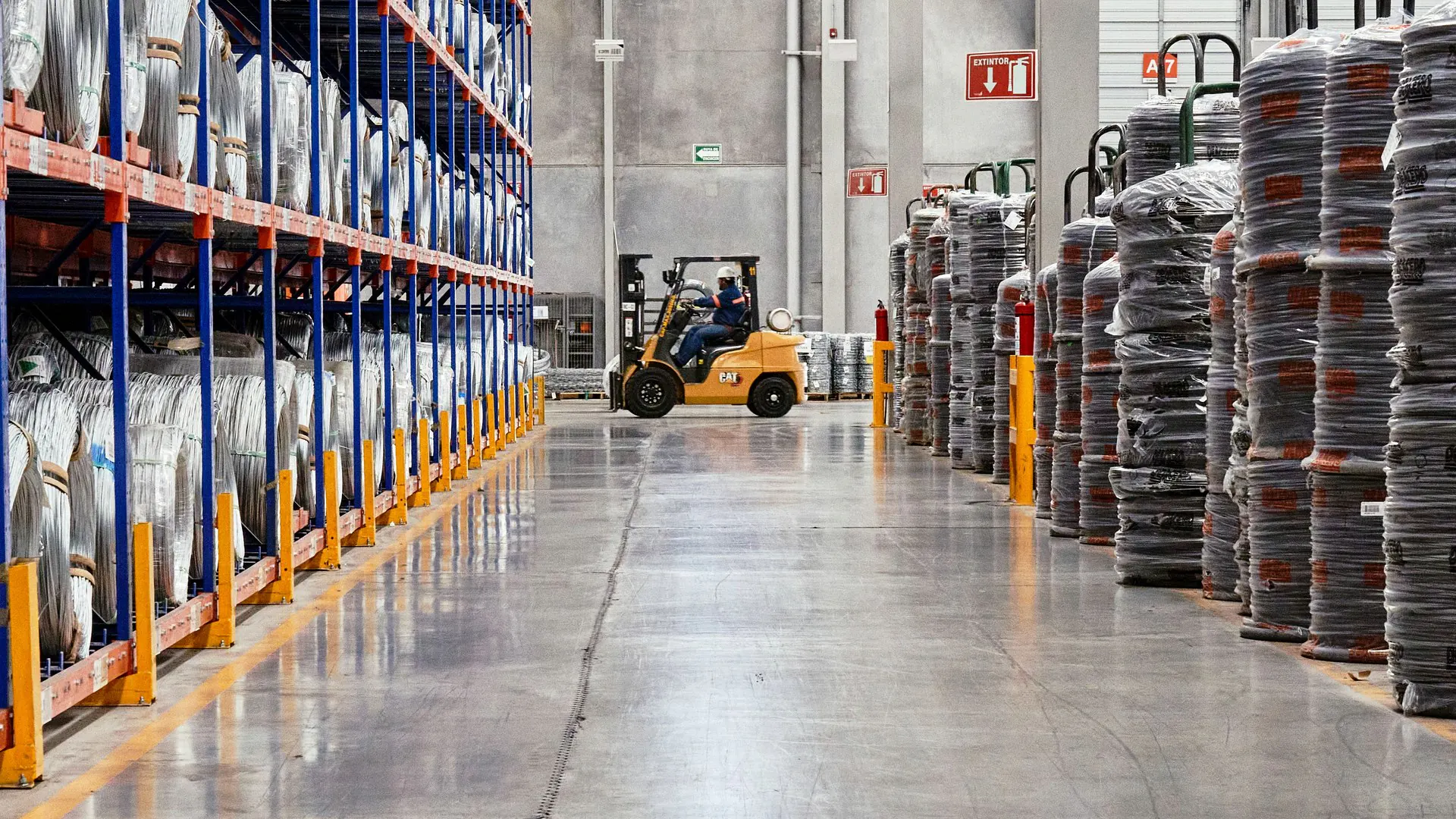
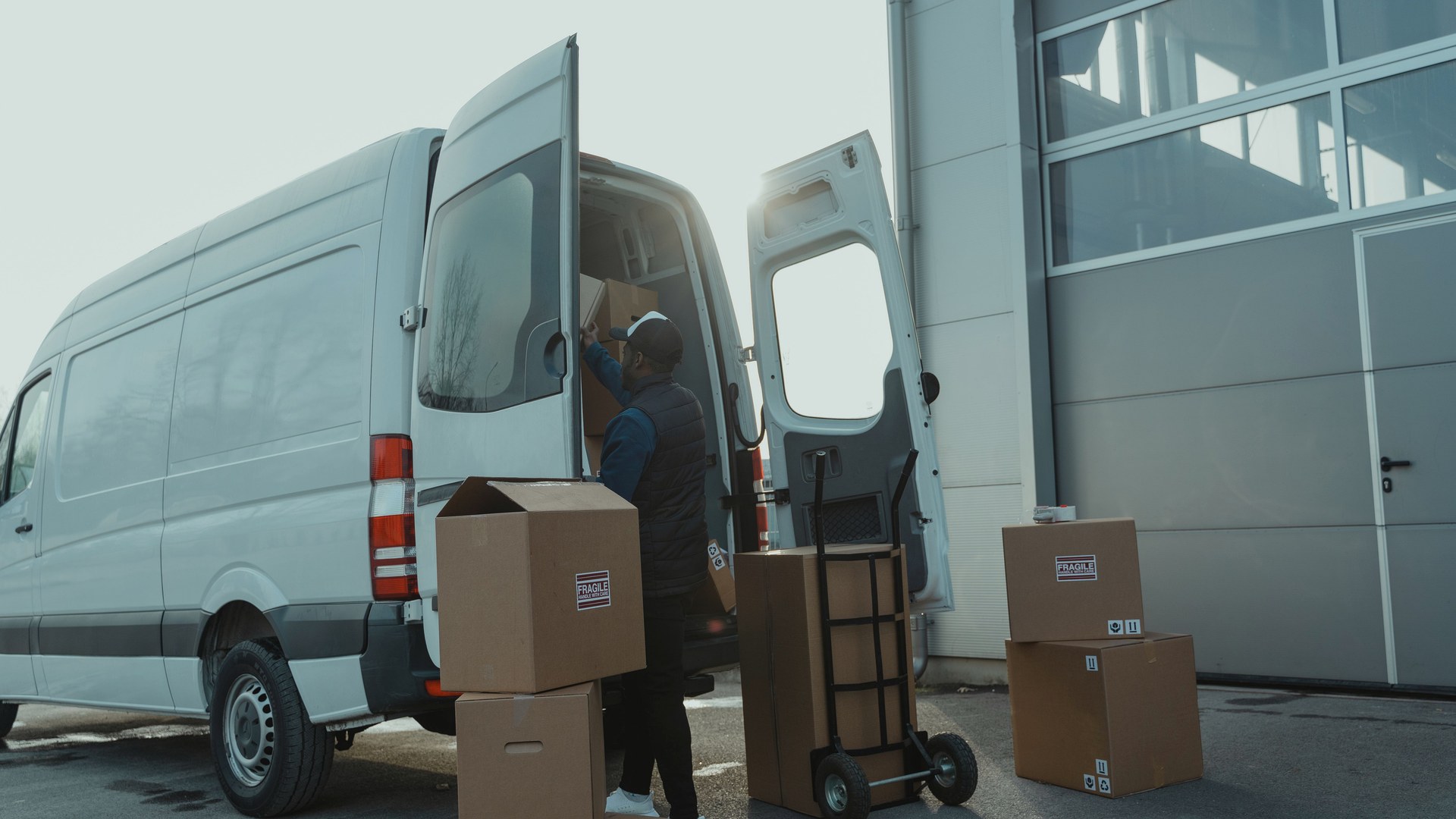
Freight forwarding consists of organising the movement of goods by selecting the solution best suited to the company’s actual requirements. It is not simply a matter of moving a pallet or a load from a collection point to a delivery address: the aim is to build a reliable, coherent and workable organisation around the nature, volume and weight of the goods, the expected lead time, loading constraints and delivery requirements.
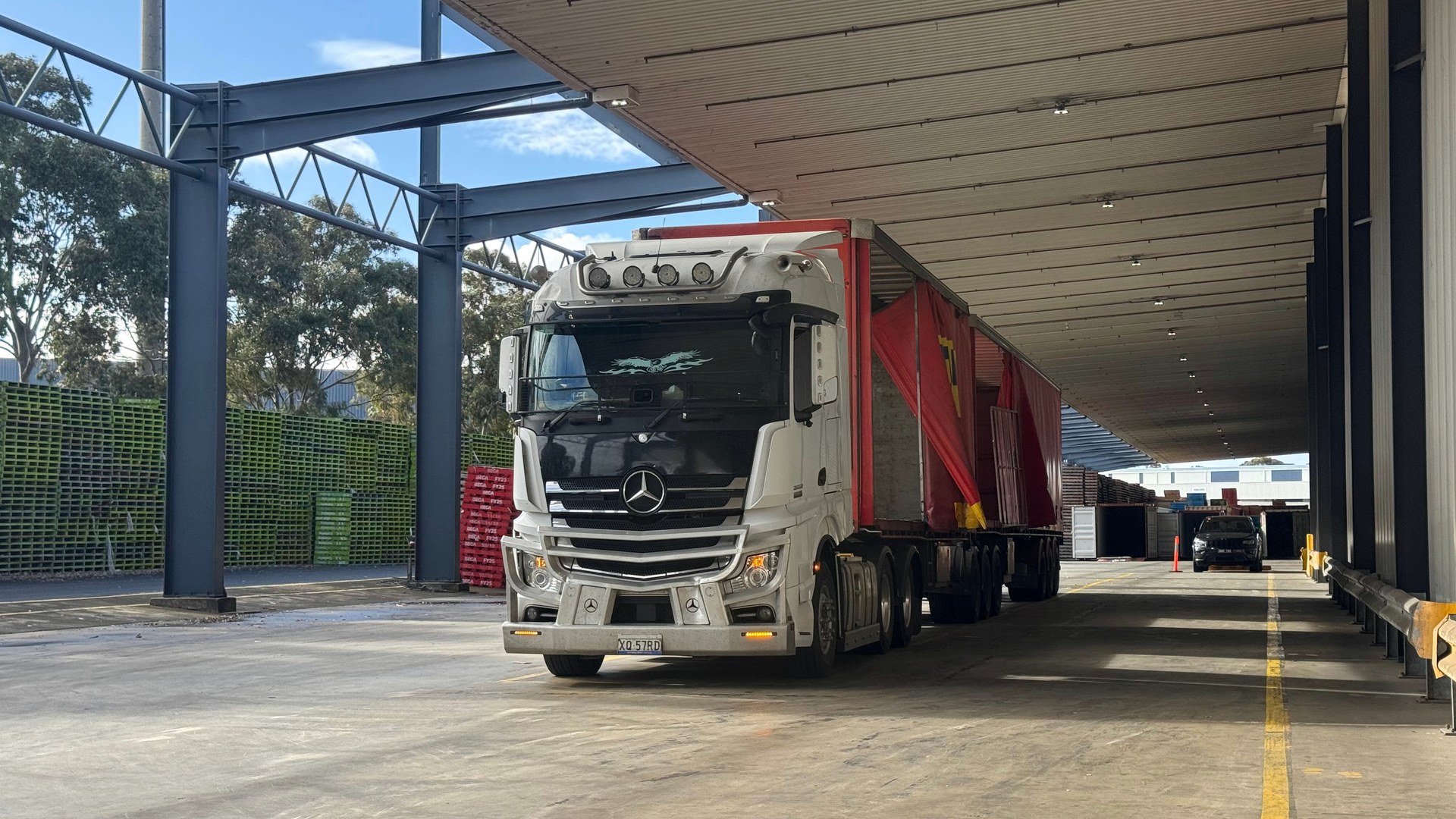
This solution is particularly useful when a shipment requires specific capacity, a suitable vehicle, a dedicated arrangement or precise coordination between several parties. Freight forwarding may cover a few pallets, a part load, a full truckload or a more regular flow between several sites. Every request is therefore assessed against its real constraints so that the proposed response remains proportionate to the requirement.
The freight forwarder analyses the information provided by the customer in order to organise the shipment under the best possible conditions: collection and delivery addresses, dates, times, site access, type of goods, packaging, weight, dimensions, required equipment, any documents and on-site contacts. The more accurate this information is, the smoother and more controlled the organisation can be and the better it can meet the required schedule.
Freight forwarding therefore gives businesses considerable flexibility. It can meet a one-off requirement, absorb a peak in activity, complement an existing flow or establish a more regular organisation. From the initial request through to delivery, every stage must be prepared carefully to ensure that information circulates correctly, the appropriate transport capacity is available and operational constraints are respected.