Groupage and distribution transport is suited to parcels, consignments, pallets and packaged goods that do not necessarily require a complete dedicated vehicle. It organises moderate volumes through consolidation, delivery rounds or distribution while taking account of addresses, lead times, packaging and delivery constraints.
Unlike express transport or a full charter, groupage relies on a shared organisation. Several consignments can be combined to optimise transport capacity, journeys and deliveries. This approach is particularly suitable for companies regularly sending pallets, parcels or small consignments to different recipients without mobilising a full truck for every shipment.
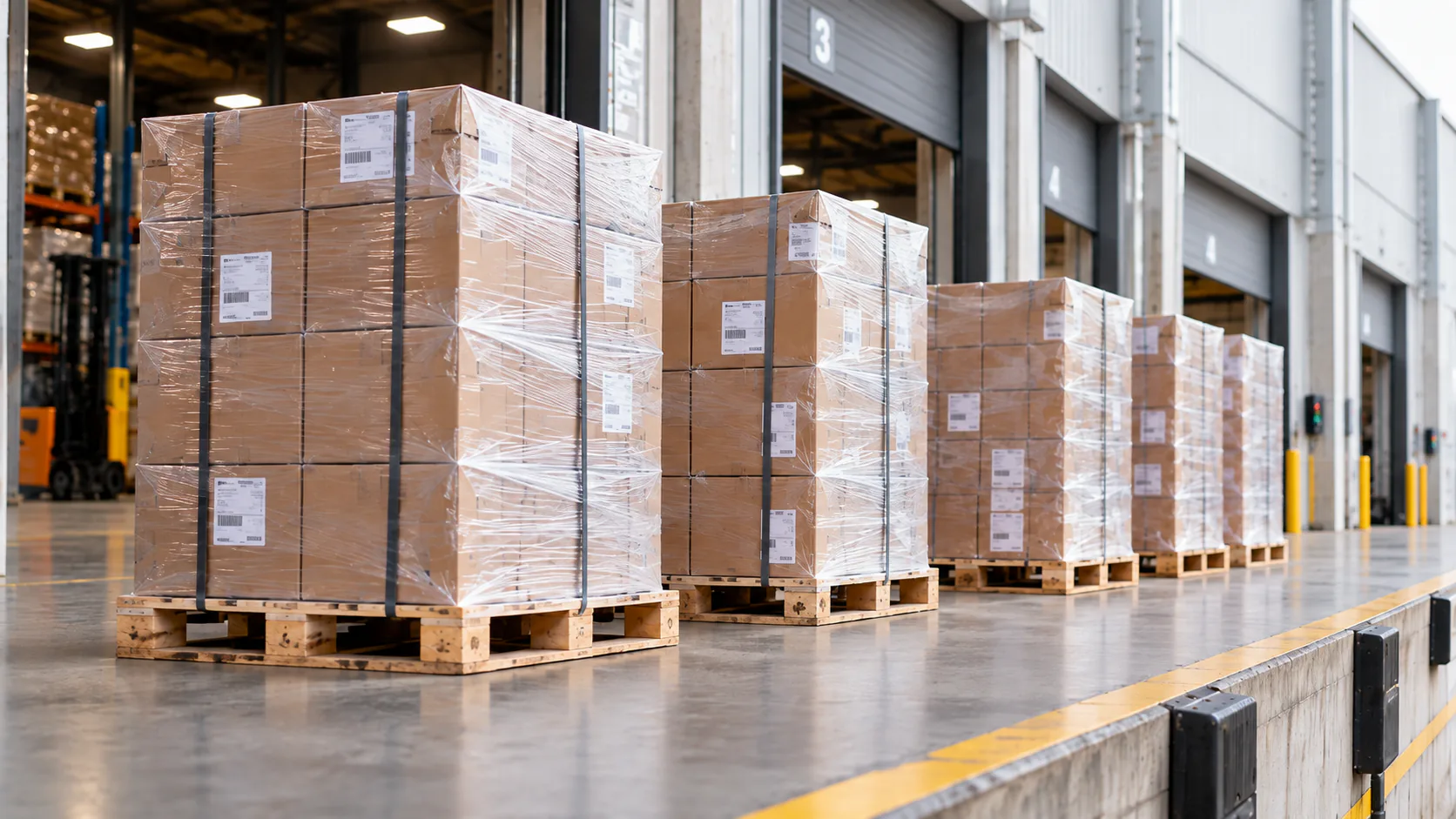
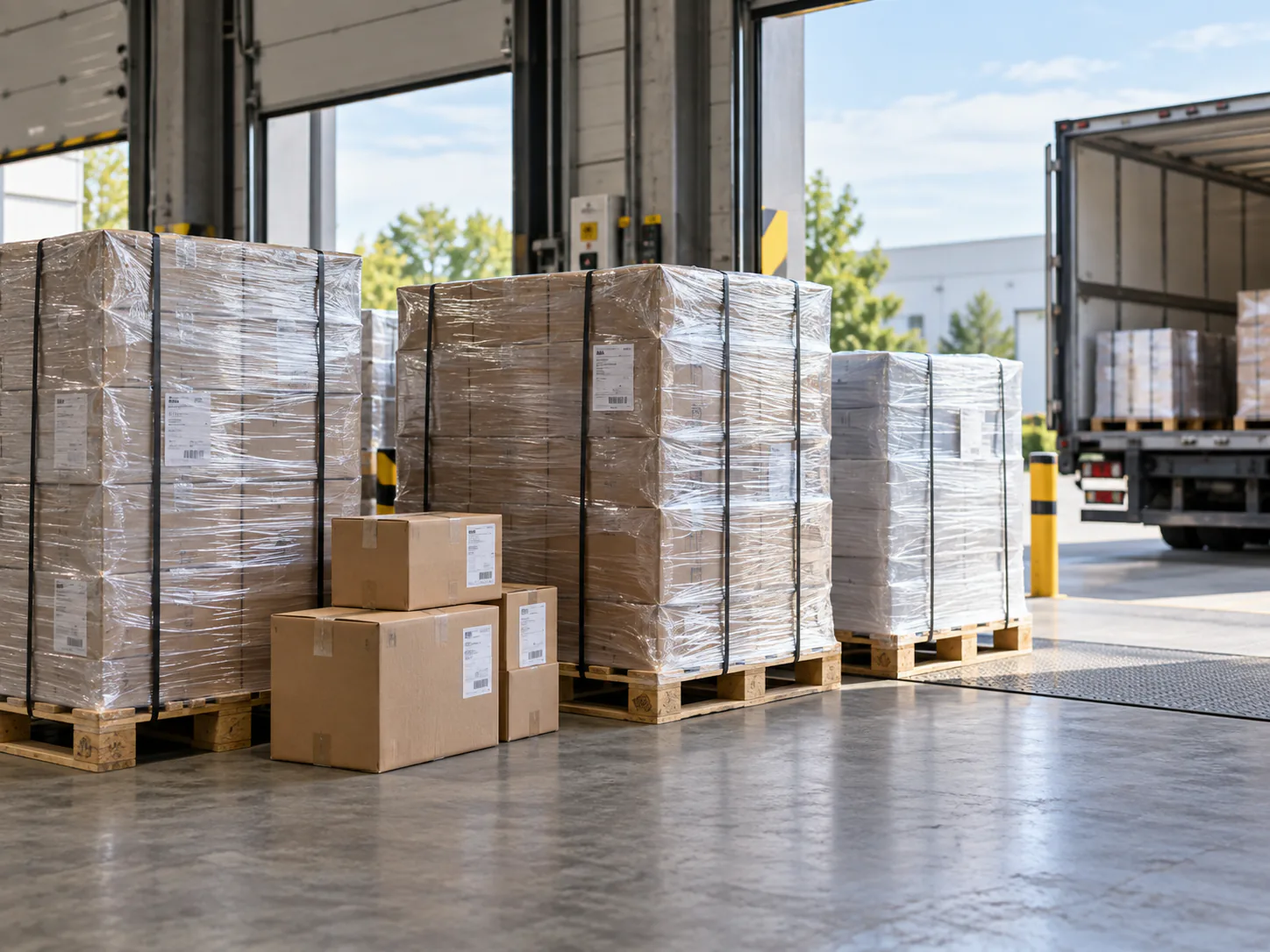
Groupage can cover many kinds of goods: business parcels, wrapped pallets, packaged consignments, customer orders, site deliveries, replenishment, B2B orders and regular multi-point flows. Pallet networks are mainly designed for small consignments: depending on the network, services commonly cover one to five or six pallets and sometimes up to around ten when dimensions, weight and size remain compatible with operating rules. Above that level, or when volume becomes substantial, a freight-forwarding solution is generally more suitable for a large part load or dedicated vehicle.
To prepare a groupage shipment properly, the information must be clear from the start: number of parcels or pallets, dimensions, weight, type of goods, collection address, delivery addresses, on-site contacts, opening hours, loading dock availability, tail-lift or pallet-truck requirements, mandatory appointments and special instructions. These details help prevent problems at collection and delivery.
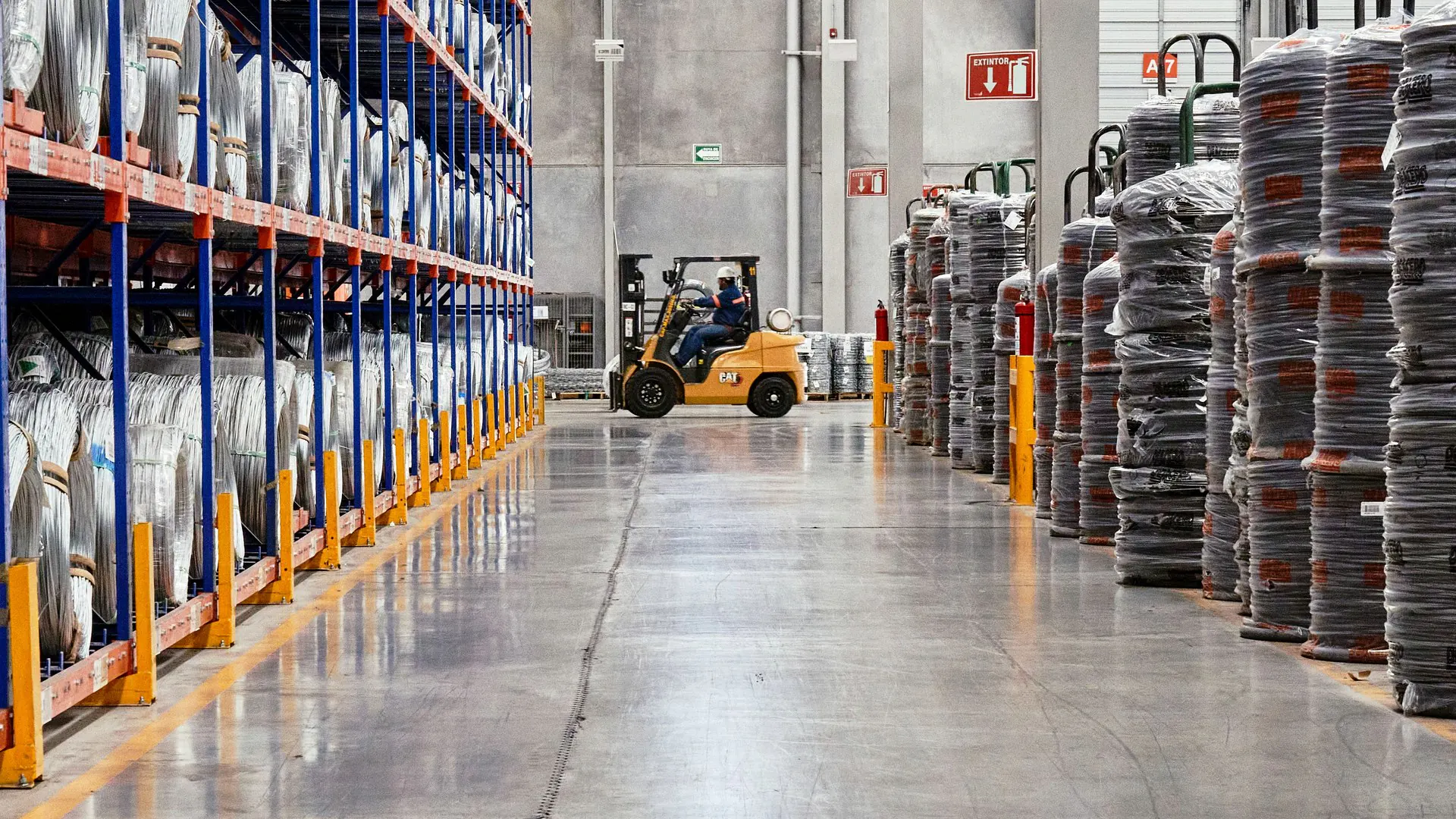
Groupage transport can also form part of a wider logistics organisation. It may be combined with warehousing, consolidation, pallet preparation, route planning or recurring flows. It is a flexible way to manage regular shipments, distribute goods to several destinations and structure distribution around the company’s actual volumes.